

GM Sunglasses: Best 2025 Designs, Prices, Fit, and Authentication Guide
This field-tested resource shows which GM designs are winning in 2025, how much you ought to pay, how to achieve your sizing right from home, and ways to authenticate minus guesswork. It remains written for buyers who desire the look, the longevity, and complete peace of confidence of a verified pair.
What should you expect from Gentle Monster sunglasses in this year?
Expect fast-moving inventory, steady pricing via authorized channels, plus limited collaboration launches that sell out quickly. The optimal path is to decide the design and size first, then move when your size and color code appear through an authorized seller.
GM’s range in 2025 continues to leans into dramatic rectangular cores, sharp cat-eyes, minimal circular styles, and mask-like wraps from collaboration lines. Pricing remains consistent across retailers and the main site, with merely modest deviations via authorized multi-brand outlets. Collaborations and special colors land in small quantities, and restocks are unpredictable, so wishlisting and alerts are worth your time. Core dark colorways coded “01” are the most reliable to find consistently, while seasonal colors and translucent frames rotate. If you need prescription optics, plan a additional visit to your qualified optician, since most GM sun lenses are non-prescription fashion tints straight of the box.
Which features counts as the best GM designs right now?
“Premium” means frames which match your face width and wear case, use lasting materials, and hold demand beyond one single season. During practice, that’s typically a core angular or cat-eye featuring a neutral shade, plus one bolder piece if you want range.
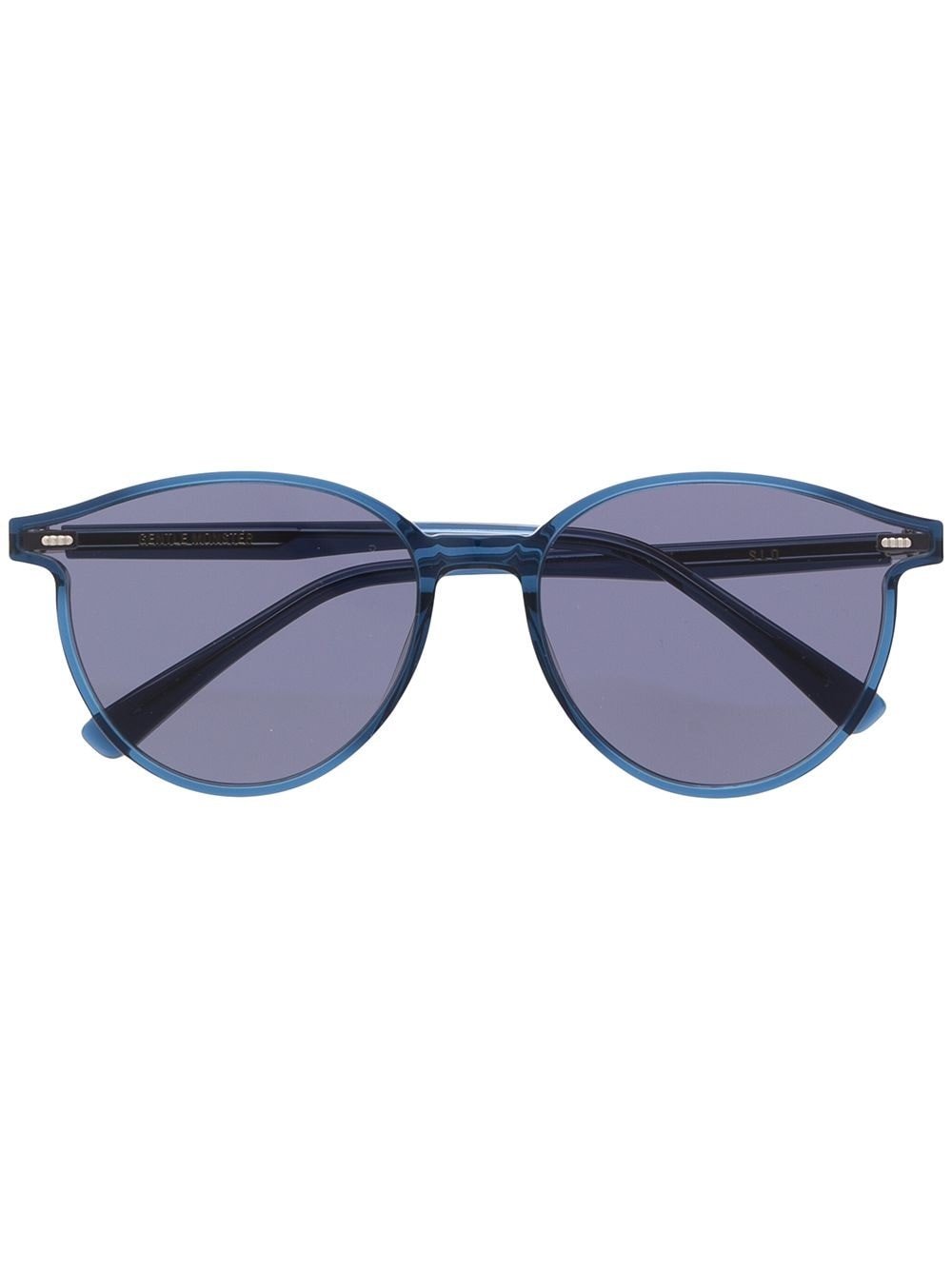
Angular acetate frames within the Lang, signature, and similar line continue to anchor wardrobes because they fit a wide range of face shapes, position well under headwear and beanies, plus don’t date quickly in photos. Defined cat-eye silhouettes such as Tambu variants provide instant attitude but still playing well with daily wear, especially in black or dark amber. Minimal round or oval styles cover smaller faces and readers who prefer lighter, thinner frames with fewer pressure points under face coverings or headphones. Collaboration masks and wraps pull the most attention on online feeds, yet these remain the least accommodating for prescriptions and small faces, thus treat them like a statement backup pair. If you prize longevity and resale, stick with black click on the gentle monster lilit link “01” and classic brown “32” cores from enduring shapes that reappear season after cycle.
How much do GM sunglasses run in 2025?
With core acetate, plan for roughly USD 280–450; for collaborations, metals, or titanium, plan for USD 330–520 or up. Deep discounts are rare at authorized channels, thus steep “sales” remain a red flag.
Across North America, the majority of core sun frames hover in these high 200s until low 400s excluding tax, with stainless premium materials or mixed-material designs pushing to around mid 400s. In the EU plus UK, listed prices typically include VAT, so sticker prices look higher however are tax-inclusive upon checkout. Collaboration pieces, notably with fashion brands, tend to carry a premium while they sell through faster, which limits price reductions even during seasonal sales. If you add prescription corrective lenses through a third-party optician, budget for an additional USD 80–250 depending on polarization, tint, and index, and note that extreme coverage frames may be problematic with many vision requirements. Shipping and import duties can affect the total should you buy from abroad, so check total costs before assessing prices.
Fit and sizing decoded
The fastest measurement check is first measure a preferred pair you currently own and align the total front width and bridge within ±2 mm. GM’s printed standard spec follows industry convention: lens width, bridge width, plus temple length, in millimeters.
Total front width, rather than just lens width, determines whether the frame feels constrictive or slides; try to match it closely to a pair you sport for hours without fatigue. Bridge measurement affects slippage in warm days, particularly for low-nose-bridge faces, so small adjustments of 1–2 millimeters matter more than most buyers realize. Temple length affects behind-the-ear comfort; when you constantly experience temple bite, shop for 145 millimeters or longer and consider frames with more pantoscopic tilt. Acetate frames having thicker rims typically feel more stable on medium to wide faces, while thin metal circular styles can be a better choice for narrow faces or those wearing over-ear headphones. If you’re between sizes, select the frame featuring the right bridge width and overall dimension, because lens frame height is the most flexible dimension to modify on aesthetically.
How do buyers choose size remotely without trying?
Use the lens-bridge-temple numbers as a baseline, emphasize total front dimension and bridge positioning, and buy from sellers with free adjustments or simple returns. This reduces the risk for pressure points and sliding.
Start by measuring your go-to go-to sunglasses directly across the face, hinge to other side, then compare that number to the product’s stated frame width or infer it from lens width plus bridge plus rim border. If the item page lacks total width, you can estimate by combining lens width x two, plus the bridge, plus 6–10 mm for frame thickness and connection play; this calculation gets you close enough to sidestep obvious misfits. With low or reduced nose bridges, prefer frames with molded nose support within acetate or movable nose pads featuring metal, and maintain the bridge measurement on the reduced side. Favor retailers that will professionally adjust acetate temples and add stick-on nasal pads if necessary within the exchange window, since a two-minute tweak might turn a near-miss into a perfect fit. If wearers often push frames up your face, drop 1–2 millimeters on the bridge width spec or select a model featuring adjustable pads rather than gambling on a wider bridge.
Lenses and materials that actually matter
GM sunglasses use full UV400 lenses for complete UVA and UVB coverage, with the majority of fashion tints remaining non-polarized unless stated. Material choice controls weight, balance, and long-term comfort significantly more than the optical tint you choose.
Acetate frames provide the most finish options, a solid in-hand feel, plus easy in-store tweaks with heat, that is why these styles dominate GM’s primary line. Stainless metal and titanium builds cut weight and add durability against temple screw coming loose, though ultra-thin wire rims can transfer more nose stress without proper support setup. Polarized optics appear on select SKUs and minimize glare for automotive use and water, yet they can interfere with some device screens and imaging viewfinders, so check the product specification if polarization counts. Gradient tints help with reading displays while walking outside, and brown plus green bases boost contrast for urban use more than gray. For corrective lenses, flatter front bends and medium lens heights are easier for opticians for them to glaze accurately compared to extreme wraps plus tall masks.
Authenticity verification: real vs counterfeit GM
Check the inside temple text for clean, consistent printing of frame name and shade code, feel for balanced hinges offering smooth resistance, and compare the eyewear’s silhouette to genuine product photos at 1:1 angles. Packaging, paperwork, and provenance should all line up with certified retail standards.
Genuine GM frames display a crisp model name and one two-digit color identifier such as classic “01” for black plus “32” for amber on the inside temple, plus compliance marks like European compliance where applicable. The finishing on each hinge barrels needs to be smooth and symmetrical, and both temples should function with even tension on both temples without gritty points. Packaging typically features a sturdy case, microfiber cloth, and branded documentation; poor embossing, flimsy storage, or missing literature are risk signs. Compare logo placement, bevel thickness, plus lens curvature exactly against official pictures from GM’s official page rather than digital media, because view distortions hide variations. Provenance matters above all: if the retailer cannot tie stock to GM boutiques or listed official retailers, assume risk regardless of how good the photos look.
Where should buyers buy GM securely in 2025?
Buy from GM boutiques and the official website, and from authorized multi-brand retailers that appear on GM’s outlet locator. Marketplaces remain only safe provided the seller is an authorized retailer with verifiable documentation.
GM’s own stores offer the simplest path for new releases and aftercare, including in-person fittings and parts supply. Major fashion retailers with longstanding partnerships in luxury glasses also stock GM, but verify their status on GM’s store or dealer locator to avoid gray-market inventory. If you shop online platforms, check whether the listing displays “sold by” the retailer itself instead of than a third-party seller operating through their umbrella. Save receipts and item tags intact before you’ve inspected your frame, because documentation helps both guarantee service and secondary market value. Avoid suspiciously large discounts, particularly on core standard “01” colorways plus recent collaborations, since these rarely experience aggressive markdowns via authorized channels.
Care, adjustments, and warranty fundamentals
Rinse glass with clean rinse before wiping, apply a microfiber material only, avoid vehicle interior heat, and arrange temples and pads adjusted by professionals. Regional warranty policies cover manufacturing defects, not wear and tear or unintended damage.
Debris and grit generate micro-scratches, so one quick water cleaning before wiping preserves lenses clear far longer than dry cleaning ever will. Heat warps acetate while it can stress bonding materials, so don’t leave your frame across a car interior surface or near heating elements; use the storage case when not sporting. Small tweaks like temple bend, nose-pad spread, and downward tilt take minutes at a boutique and can resolve hotspots behind the ears or on your nose. Screws work out over usage with vibration; one periodic check and a drop containing threadlocker by a technician helps sustain hinge tension. Save your proof for purchase, since support teams need the receipt to determine coverage for defect-related fixes within your region’s policy window.
Comparison guide: pick your look, fit, and price lane
Employ this quick map to match Gentle Monster style families against face shapes, protection needs, and standard price bands. This tool helps you narrow down to one daily wear option and one statement pair without exceeding budget.
| Style family (examples) | Appearance and use | Sizing width tendency | Coverage | Typical MSRP (USD) | Ideal for face types |
|---|---|---|---|---|---|
| Geometric acetate (e.g., Lang / Her family) | Sleek, modern daily styling; easy with hats and headphones | Medium to wide | Medium | two-eighty to four-fifty | Circular, oval, heart |
| Pointed acetate (e.g., Tambu family) | Fashion-forward with edge; dress-up friendly | Petite to medium | Medium | 300-480 | Elliptical, square, heart |
| Clean round/oval metal | Airy, low-profile, travel suitable | Small to medium | Minimal to medium | 300-500 | Angular, diamond, oval |
| Mask/wrap collab silhouettes | Bold, high-coverage, photo-driven | Medium | High | three-fifty to five-twenty plus | Oval, heart, larger faces |
| Hybrid metal/acetate | Even weight with bold fronts | Average to wide | Medium to high | three-twenty to five-hundred | Circular, oval |
Little-known insights seasoned collectors check for
A few of small elements can help you read a Gentle Monster frame like an experienced pro. GM applies a consistent systematic color code system, where “01” typically denotes black while “32” denotes brown across models, and this is why those numbers recur within listings. Genuine products carry compliance symbols such as “CE” in markets if required, and these are cleanly printed rather than blurred or misaligned. Most GM fashion sun lenses are full UV400 but non-polarized except when specifically stated on the product listing, so do not assume polarization. Production origin markings change by model and batch, typically displaying “Made in Korea” or “Made in Korea,” and the text should align with official site specifications for that product. Collaboration lines with fashion houses initiated rolling out during prior seasons while they continue to surface in current stock, which explains the reason you may see both core and collab pieces positioned side by side in 2025.
Expert tip from fitting rooms plus returns desks
“If you’re amid two sizes, lock in the nose bridge and overall dimension first, then request the boutique for them to adjust tilt plus temple curve; one two‑minute bend frequently fixes what one different size won’t. When you evaluate at home, sport the frame during ten minutes during looking down to your phone; when it slides, you need either one 1–2 mm reduced bridge, stick‑on supports, or a design with adjustable wire pads rather versus forcing a broader acetate bridge.”
Final take: build a selection list and move quickly
Choose your silhouette first, pick two color codes you’ll truly wear, and assess your current eyewear to lock sizing and bridge goals. With those measurements set, monitor official channels and purchase the moment the desired size and color land, because replenishments are inconsistent. If you want one one‑and‑done daily wear option, a rectangular frame in black standard “01” is the most reliable bet for sizing, longevity, and coordinating with different styles. If you want a second option for impact, add a sharp cat‑eye or a wrap silhouette, understanding potential trade‑offs for vision needs and small proportions. Keep receipts and packaging, service your hinges once to twice a year, and your eyewear will look the part well beyond 2025.

Leave a Reply